September 2, 2026 5 min read
Undertone, explained without the jewelry test
Depth is how light or dark your skin is. Undertone is which way it leans. Most wrong foundations are the right depth and the wrong undertone.
By Maya Okafor-Reyes, Co-founder & Chief Creative Officer
When a foundation looks wrong, people almost always say it is too dark or too light. In my twelve years on set, it was usually neither. The depth was fine. The undertone was off, and an off undertone reads as a wrong shade no matter how carefully the depth was chosen.
Two questions, not one
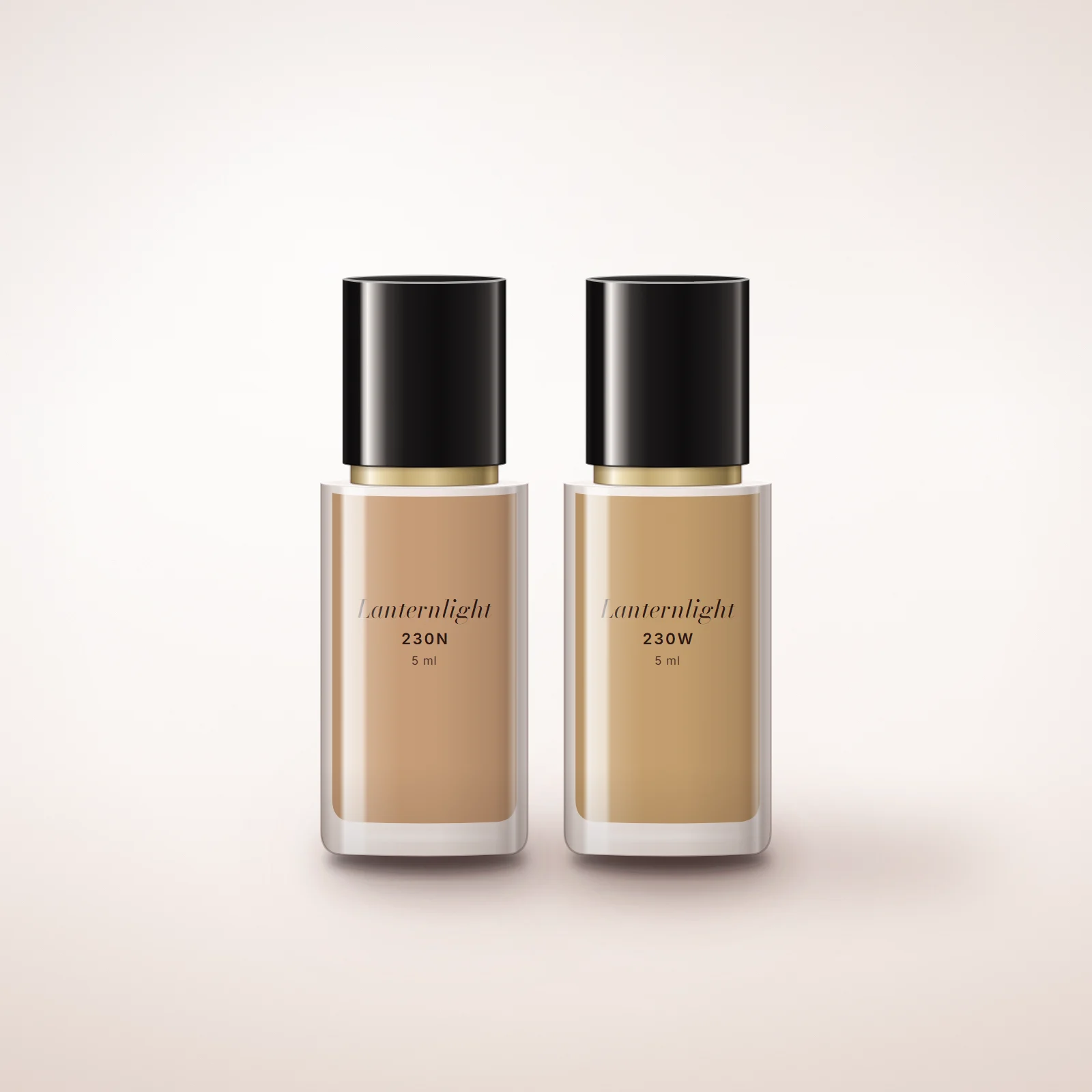
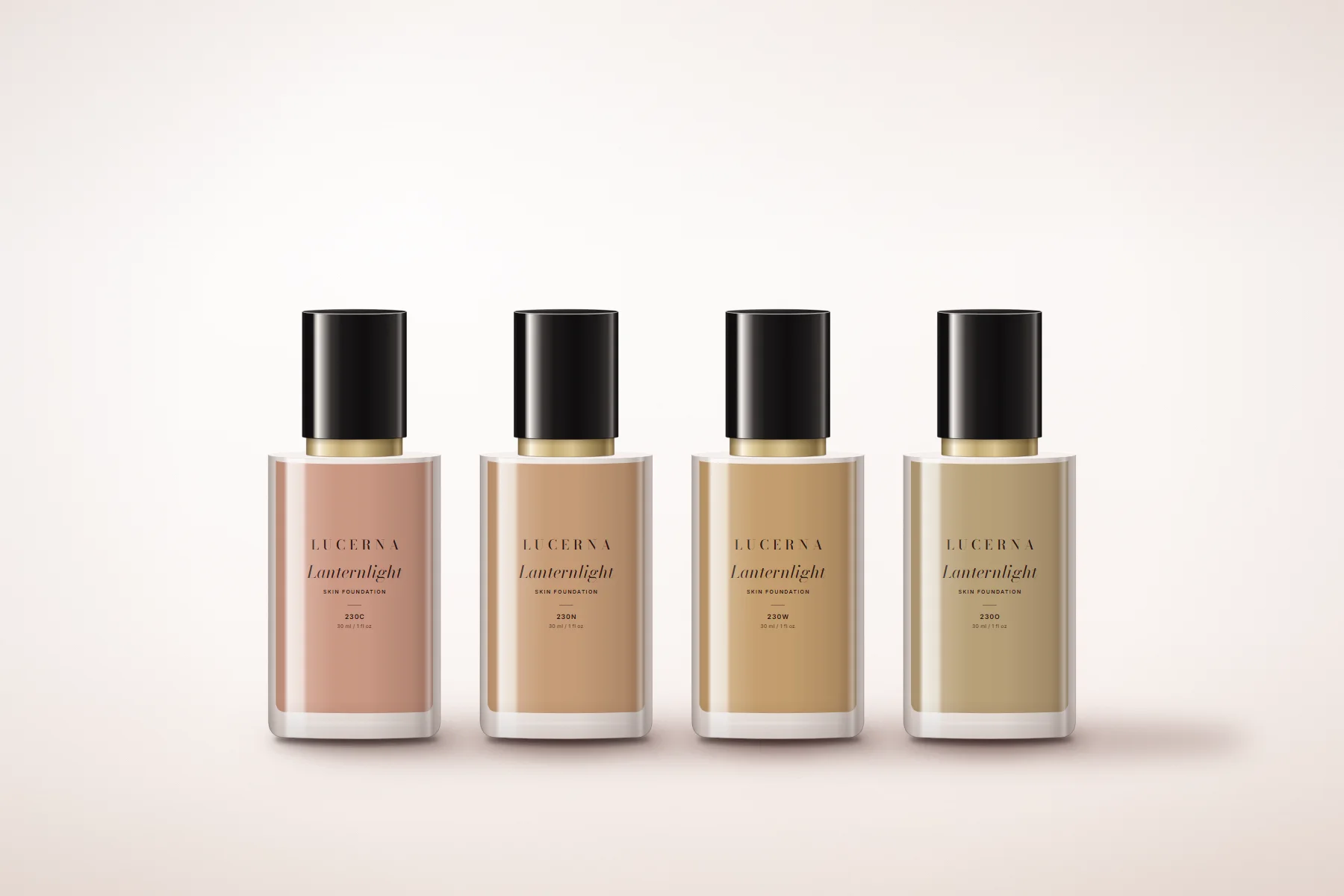
Every skin tone answers two separate questions. The first is depth: how light or deep is it? The second is undertone: which way does the color lean? Depth changes with the seasons. Undertone, for most people, does not. That is why we name our shades with a number and a letter. The number is the depth. The letter is the undertone. 230N and 230W are equally deep; they just lean differently.
The four leans
| Undertone | What it looks like | How a wrong foundation fails on it |
|---|---|---|
| Cool | Pink or rosy; on deep skin, red rather than golden | Goes orange or yellow |
| Neutral | Neither pink nor golden | A little off either way, never dramatically |
| Warm | Golden | Goes pink, gray or ashy |
| Olive | A soft green or muted cast | Warm ones go orange, cool ones go gray |
Look at the last column. It is the most useful diagnostic I know, and it is the one I used on actors who had no idea what their undertone was. Do not ask what your skin looks like. Ask how foundations have let you down.
Why I do not trust the jewelry test alone
You have heard it: silver flatters cool skin, gold flatters warm. It is a decent hint and a bad rule. Plenty of people look good in both. Olive skin often suits gold and still goes orange in a warm foundation, which is exactly how olive customers end up with a drawer of bottles marked warm that never worked.
The vein test has the same problem, and it barely works at all on deep skin. Treat both as a first clue and move on.
Do not ask what your skin looks like. Ask how foundations have let you down. The failure tells you the undertone.
Olive is not a kind of warm
This is the one I care about most. For years, ranges treated olive as a slightly yellow warm, if they had it at all. It is its own thing. Olive skin has a green cast that sits between warm and cool, and it exists at every depth, from very fair to rich. If warm foundations look orange on you and cool ones look gray or ashy, you are very likely olive, and no amount of adjusting the depth will fix it.
It is why Lanternlight has an O at all twelve depths. On set I used to add a drop of green corrector to a warm shade to get there. Nobody should have to do that at their bathroom sink.
How to find yours
Start from the failure
Orange points to cool or neutral. Pink or ashy points to warm. Both points to olive.
Pick two undertones at one depth
Not two depths. Hold the depth still and change only the letter.
Wear each for a full day
Jawline, daylight. The right one disappears. The wrong one sits on top.
Look again at four hours
An undertone that is slightly too warm often only shows once the foundation has settled.
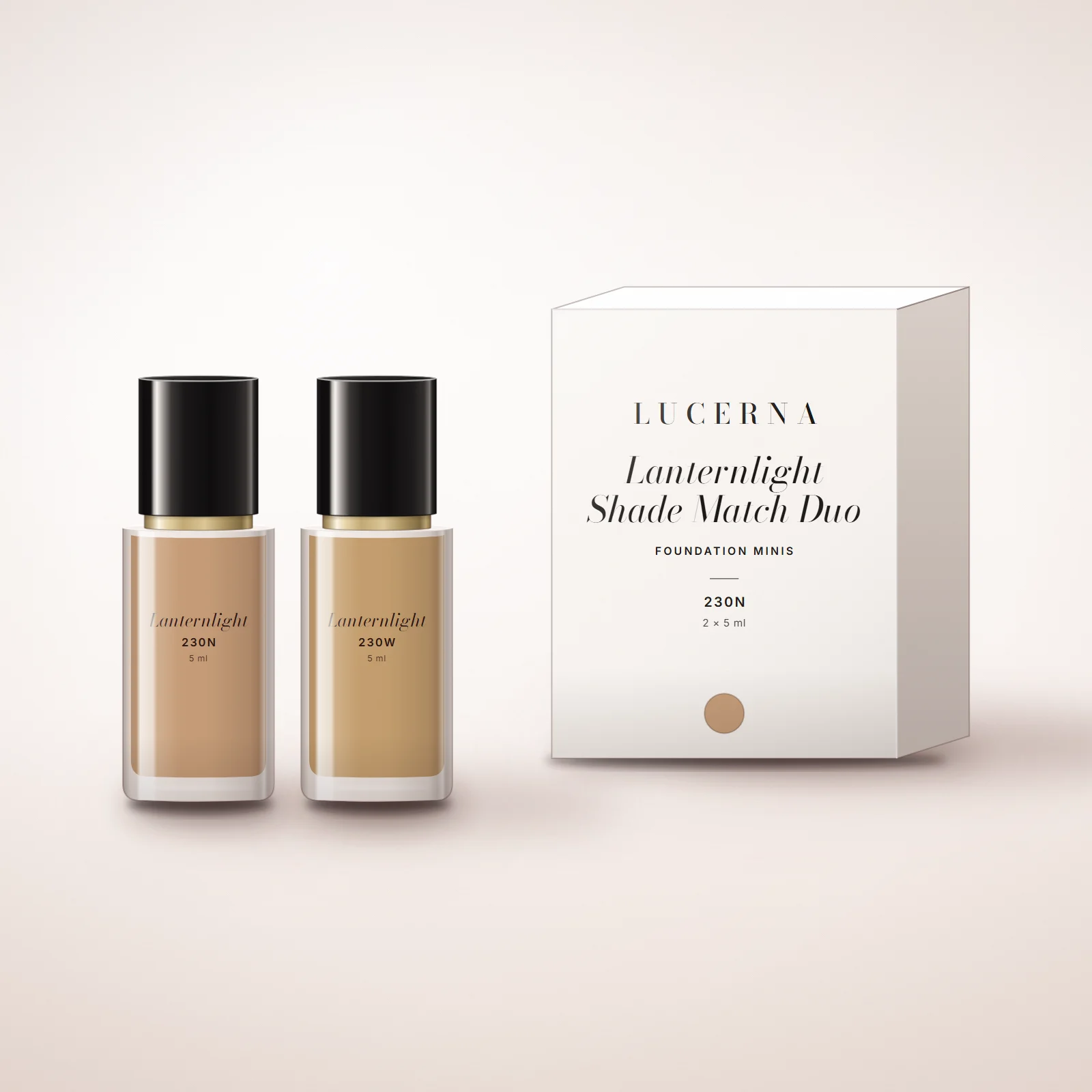
The Shade Match Duo exists for exactly this: two minis, two undertones, two days. If you would rather answer a few questions first, the Shade Finder asks the failure question directly.
And if you are still not sure
Start at neutral. It is the undertone that is least wrong most often, and from there one wearing tells you which way to move. If the neutral looks pink, go warm. If it looks yellow, go cool. If it looks fine but somehow flat, try the olive.
-
Sample Set
Shade Match Duo
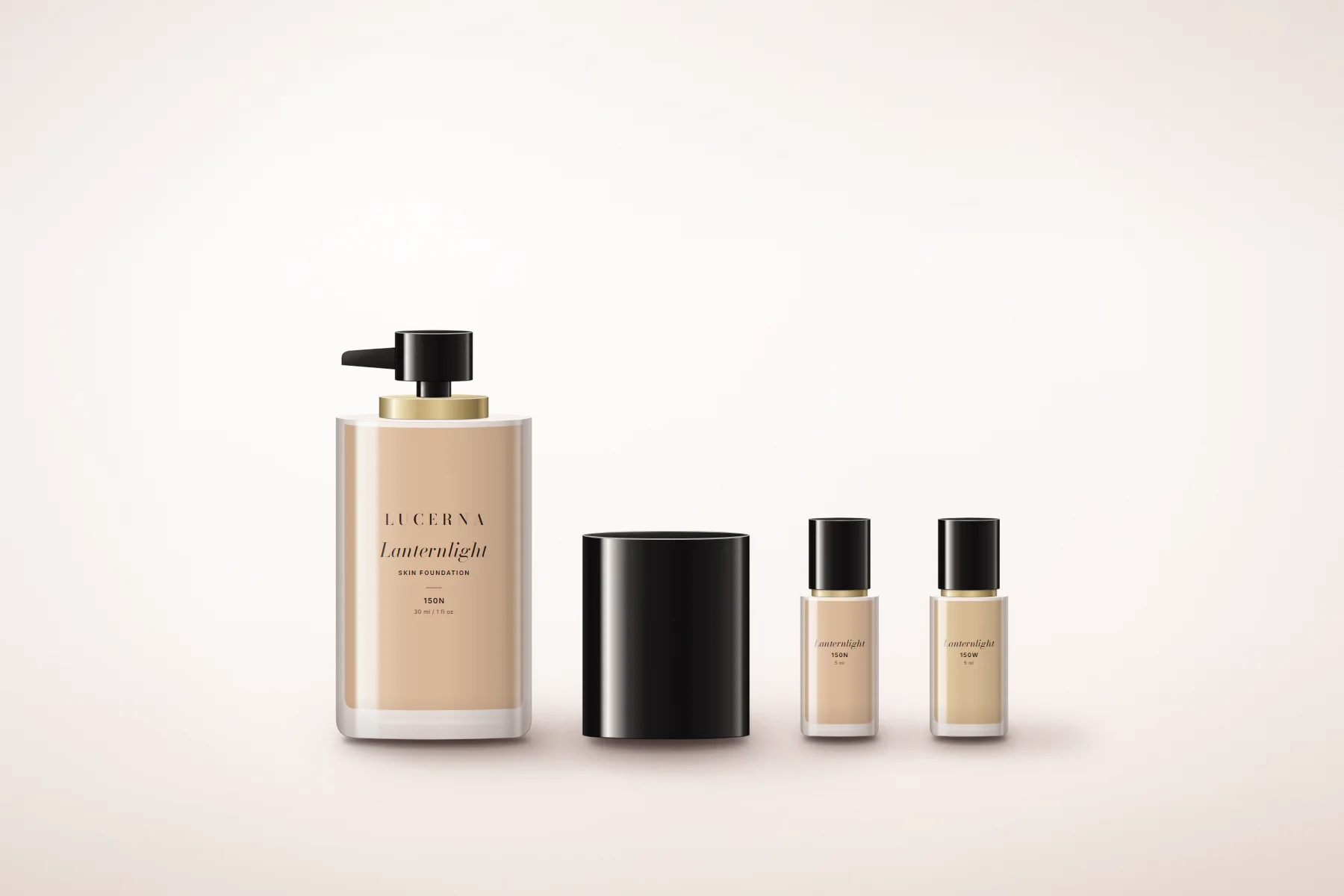
Two 5 ml minis of the Lanternlight foundation in the shades you choose, with the price back as a code toward the full size
48 shades
$14
-
- Best seller
Foundation
Lanternlight Skin Foundation
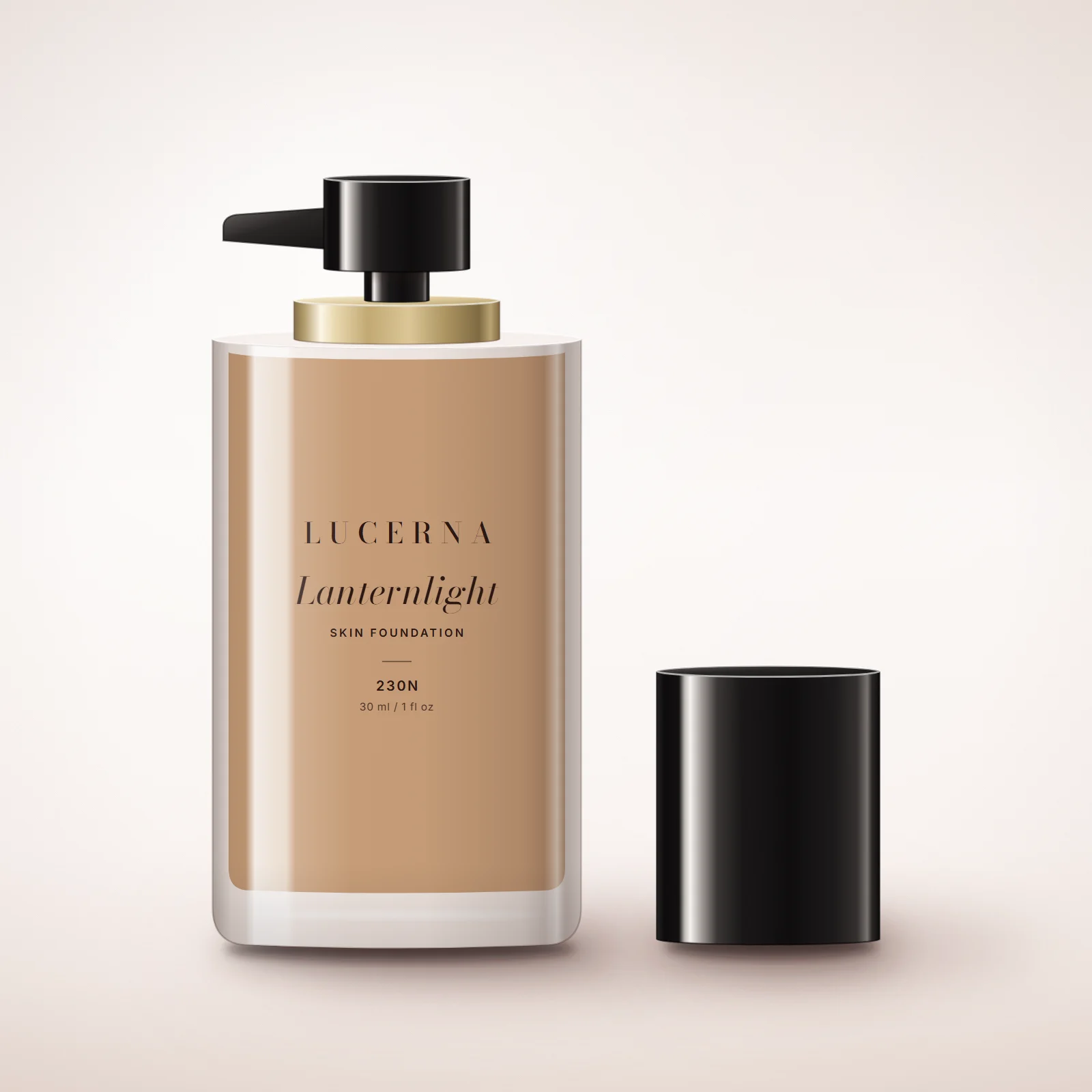
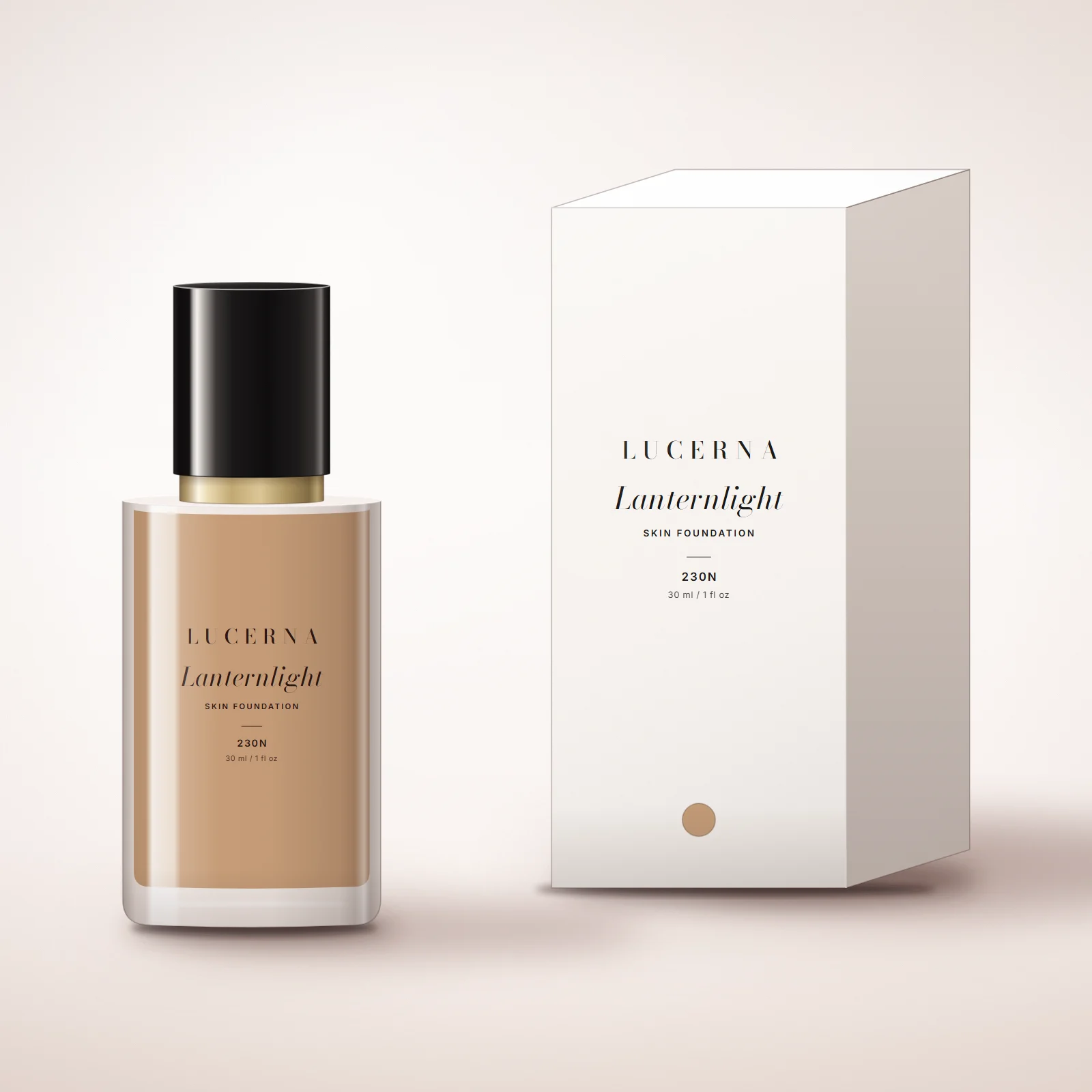
Medium, buildable coverage with a satin finish, in forty-eight shades across twelve depths and four undertones
48 shades
$42